

There’s no room for argument here: there is absolutely nothing worse than the excitement of a sizzling Korean barbecue feast turning into a night of regret. Though the vibrant marinades and rich aromas tempt the senses, spoiled meat can lurk beneath—disguised by bold (sometimes as) unique flavours and dim restaurant lighting.
For passionate foodies and home cooks alike, knowing the subtle signs of bad meat is the rift between a memorable meal and an unpleasant aftermath. This guide arms you with detailed cues, from sight and smell to texture, ranked from the most to the least obvious. Hopefully then, you can confidently assess your KBBQ’s freshness and ensure every bite is as safe as it is delicious.
Key Signs at a Glance
Before going into the details, here are the critical indicators that your KBBQ meat may be spoiled:
- Foul or sour smell
- Grey, green, or dull discolouration
- Slimy or sticky texture
- Excessive, murky liquid in packaging
- Expired or unclear “use-by” date
- Unusual dryness or mushiness
- Poor storage conditions (warm or unsealed)
If you notice any of these, it’s best to avoid consuming the meat. For a deeper understanding of each warning sign, read on.
#1 A Rancid or Sour Odour
High-quality Korean barbecue meat should have a clean, faintly metallic scent—reminiscent of fresh beef or the delicate sweetness of good pork. A sour, ammonia-like, or unmistakably bad odour is a clear warning that the meat has gone off.
Fermented marinades, such as those in bulgogi or galbi, can mask early-stage spoilage, so pay extra attention (especially if it’s before the sauce is applied). If the meat smells unusually pungent or rancid beneath the seasoning, discard it. A complex scent profile in aged cuts like hanwoo (Korean premium beef) is normal, but anything overpowering or foul is a warning.
#2 Grey, Green or Brown Tints
It’s important to inspect your meat’s appearance closely. Fresh beef should have a vibrant red or deep pink colour, while fresh pork should show a pale pink hue. Any grey, green or dull brown discolouration, especially on the surface, is a strong indication that the meat is past its prime.
How to spot? Discolouration often creeps in from the edges or manifests in patches, so examine the meat under good lighting. Marbling should look creamy white, not yellow or grey. For poultry, any unnatural purple or green shades indicate bacterial growth. Vacuum-sealed meats may appear darker due to lack of oxygen, but once exposed to air, a fresh colour should restore within 20 minutes. If they don’t, that’s your cue to proceed with caution.
#3 Sliminess or Stickiness
Fresh KBBQ meat should feel firm and slightly moist, not slimy or tacky. Run your fingers over the surface. If it leaves a sticky film or an unpleasant residue on your skin, bacteria have likely multiplied.
Excess liquid pooling in the packaging or at the bottom of the tray is cause for concern. While minor moisture is typical, fluid that’s cloudy or too bloody often signals that the meat is off. For thin slices such as chadolbaegi (brisket), unusual dryness or mushiness can also point to improper storage or older meat.
#4 Murky or Bloody Discharge
As mentioned earlier, a small amount of moisture in meat packaging is expected. But if there’s a large quantity of liquid that looks cloudy, pinkish or oddly thick, it strongly indicates spoilage. This fluid, unappetisingly known as “purge”, increases as the meat starts to deteriorate, often signaling bacterial growth or poor storage practices.
If the liquid has a thick, syrupy texture or an off smell, the meat is no longer safe to eat. You can pat the meat dry with a paper towel before cooking—if the liquid feels unusually sticky or leaves a strange residue, discard it immediately.
#5 Expired Dates and Inadequate Storage Conditions
Even if the meat looks and smells fine, it’s important to double-check the expiration date and storage conditions—especially if you’re cooking your own KBBQ instead of eating out. Korean markets and butchers usually provide clear sell-by or use-by dates. Ignore them at your peril.
If the meat was stored above 4°C for too long (unfortunately common in overstocked fridges or during transport), decomposition advances. Premium KBBQ spots display cuts in chilled counters; so if you spot meat sitting uncovered or at room temperature too long, you may want to reconsider your order.
#6 Unusual Dryness or Sponginess
Spoilage isn’t always about sliminess. Meat that feels unusually dry or spongy can, too, signal a problem. Whitish, leathery patches are telltale signs of freezer burn, showing that the meat was frozen incorrectly and has lost both moisture and taste.
On the other hand, if the meat feels unnaturally soft or mushy, it may have been thawed and refrozen multiple times. This process accelerates bacterial growth when the meat spends time in the danger zone (4 to 60°C). High-quality KBBQ cuts should have a firm texture that gives easily to pressure—any deviation from this is a red flag.
#7 Packaging Leaks, Swelling and Broken Seals
If you’re preparing your own KBBQ at home, this is crucial: inspect the packaging carefully before even opening up the meat. If the vacuum seal is broken, the bag is bloated, or there are visible leaks, the meat has likely been exposed to air and bacteria. Premium KBBQ meats often come in modified atmosphere packaging (MAP), which should be airtight. Any compromise in the seal means the product is no longer safe for grilling.
Savour Authentic Korea Barbecue with Confidence at Hanjip Korean Grill House — the Best in Singapore!
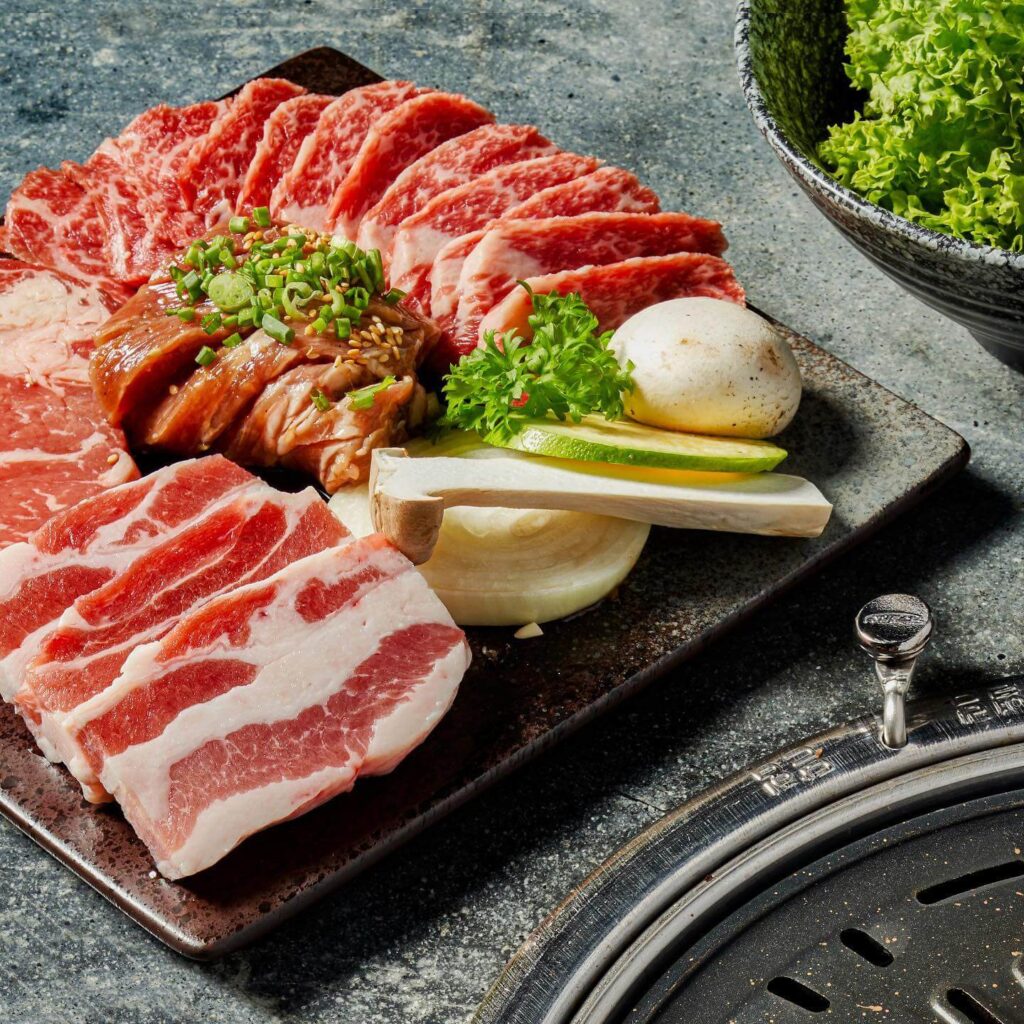
Korean barbecue should always be a celebration of flavour, never a gamble. It’s useful to recognise signs of questionable meat at home, but there’s no reason to settle for uncertainty when you can choose guaranteed freshness and quality with every meal.
Hanjip Korean Grill House is 100% committed to bringing you only the finest, freshest cuts—and in our books, that means meat that’s meticulously selected, properly stored, and expertly prepared. From our premium USDA beef to our signature galbi and pork belly, every cut meets our exacting standards for quality and food safety.
We believe great KBBQ starts with:
- Rigorously inspected meats from trusted suppliers
- Proper refrigeration and handling at every stage
- Expert preparation by our skilled grill masters
We make no compromises when it comes to standards. Visit us today, and taste the difference that true quality and care make. It’s no wonder that Singapore’s KBBQ lovers choose us, time and again.
Secure your seat by making a reservation here.
