

If you enjoy rich, full-bodied beef, you’ve probably seen the term dry-aged on menus or online. This style of ageing plays a big role in how certain cuts develop their deep, savoury character.
Dry ageing looks mysterious at first. Rows of beef sit in temperature-controlled rooms, exposed to air, resting quietly for weeks at a time. Nothing seems to “happen”, but everything is happening. The beef changes day by day as natural enzymes soften the fibres. Moisture slowly escapes. Flavours grow stronger. The process is steady and precise, dictated by scrupulous environmental control.
Some cuts stay in the chamber for 21 days. Others stay 30, 45, or even longer. Time shapes the final result, and the difference is easy to taste once you’ve tried dry-aged beef even once.
How Dry Ageing Actually Works
At its core, dry ageing is a slow transformation. The beef is placed in a chilled room with carefully managed humidity and steady airflow. This controlled setting allows the surface to dry while the inside stays safe and intact.
Enzymes break down tough fibres. They soften connective tissues. They free up natural compounds that bring depth to the meat. With each passing day, the texture becomes gentler and easier to cut. Over time, the flavour grows deeper and more layered.
Meanwhile, moisture escapes from the cut. This concentration step is key. With less water inside, the natural richness becomes more noticeable. It’s a little like reducing a stew on the stove; culminating in less liquid, more flavour.
The exterior of the beef darkens and forms a crust. That layer is trimmed away later, leaving behind the tender, intensely flavoured heart of the cut.
Why Dry-Aged Beef Tastes Different
Most people taste the difference right away. Dry-aged beef carries an aroma that’s savoury, nutty, almost buttery. Each slice leaves a lasting richness that doesn’t usually appear in fresh beef.
Some describe the taste as warmer or rounder. Others simply say it tastes more “beefy”. There’s no single perfect word for it. The best way to picture it is this:
Fresh beef is clear and straightforward. Dry-aged beef feels deeper and fuller.
The texture also changes. It becomes velvety, softer, bringing with it a gentle resistance that melts as you chew. This shift is the result of natural tenderisation over many days.
Dry-aged beef also cooks differently. Because the surface dries, it sears faster. You get a crisp crust and a flavourful centre. That contrast is part of what makes dry-aged steak so memorable.
How Dry Ageing Impacts Wagyu
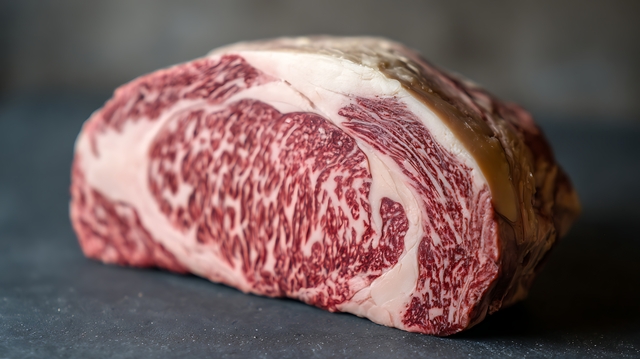
Wagyu already carries intense marbling. Those delicate white streaks melt as the meat cooks, leaving a buttery softness that many people consider unmatched. When Wagyu goes through dry ageing, that richness develops new depth.
The fat changes in subtle ways. It grows more fragrant. The flavours gain warmth and complexity. The meat becomes even softer, though not in a mushy way you might fear.
But Wagyu requires careful timing. Too long in the chamber, and the marbling can take on an overly pronounced profile. That is why many producers keep Wagyu on shorter ageing schedules. The goal is balance: deeper flavour without overshadowing the natural sweetness of the meat.
The result is a slice that feels familiar yet enhanced. Every bite carries the signature Wagyu softness with an added boost of savoury depth.
How Dry Ageing Impacts USDA Prime Beef
USDA Prime carries heavy marbling too, though in a different pattern from Wagyu. It responds beautifully to dry ageing. The change is dramatic, especially after the 30-day mark.
Prime cuts pick up a bold aroma. They sharpen in flavour. They gain a hearty character with a clean finish. The texture shifts noticeably, becoming tender with a firm bite that steak lovers appreciate.
Some enjoy Prime at 21 days. Others prefer 45 days, where the flavour leans richer and deeper. Beyond that, the contrast becomes more pronounced. This is why steak fans often debate the “perfect” ageing time.
Wagyu whispers. Prime speaks louder. Both shine in their own ways.
Why Dry-Aged Wagyu and Prime Beef Cost More

A dry-ageing chamber isn’t just a fridge. It requires steady airflow, consistent temperatures, and exact humidity. The process takes time and space.
The meat also loses weight as it dries. Then the outer layer must be trimmed. What remains is smaller but far more intense in flavour.
This explains the higher price. You’re paying for time, precision, and the transformation itself. You’re also paying for a unique taste that you can’t get from beef aged in other ways.
How Long Beef Is Typically Dry-Aged
Here’s a quick guide to common ageing durations:
14–21 days
A slight shift in tenderness. Mild flavour increase.
30 days
More noticeable aroma. Balanced texture. A deeper profile without overpowering notes.
45 days
Stronger character. A richer scent and a bold, savoury presence.
60 days and beyond
A more adventurous flavour. Stronger aroma. For fans who enjoy deeper intensity.
The right duration depends on personal preference. Some want a gentle upgrade. Others crave a more dramatic transformation.
Common Questions About Dry Ageing
Does dry ageing make beef safer?
The controlled chamber keeps bacteria in check. The process is safe when handled by trained teams.
Does the beef spoil?
No. The outer crust dries and protects the inner meat, which stays safe until trimming.
Does dry ageing make the beef tougher?
Quite the opposite. The enzymes soften the fibres naturally. The only part that’s tough is the outer crust, which is removed before serving.
Is dry-aged beef always better?
Not always. Some prefer fresh beef. Some prefer aged. It depends on the flavour you enjoy.
Why does dry-aged beef have a distinct aroma?
Moisture loss and enzyme activity create new compounds that shift the scent profile.
Why People Seek Out Dry-Aged Beef
There’s a special satisfaction in biting into beef that carries more depth than what you’d find in a typical steak. Dry ageing doesn’t add anything artificial. It simply highlights what’s already there. The process respects the meat and gives it time to reach its full potential.
Some people try it once and stick with it forever. Others save it for celebrations. Either way, the experience feels memorable.
Closing Thoughts
Dry ageing brings out the richest qualities of Wagyu and USDA Prime beef through time, airflow, and natural enzymatic change. It deepens flavour, softens texture, and leaves each slice with a distinct personality.
For guests exploring these cuts at Hanjip Korean Grill House, the hands-free grilling experience makes the moment even more enjoyable. The team cooks each slice with care so you can focus on the flavours and enjoy the meal from the first bite to the last.
Reserve your table at Hanjip Korean Grill House today, and savour every bite of expertly prepared, melt-in-your-mouth beef.
